AI Fakes and Fury: Short-Drama Stars Allege Promos Create Non-Existent Sex Scenes
AI Fakes and Fury: Short-Drama Stars Allege Promos Create Non-Existent Sex Scenes
The glittering facade of the short-form drama universe just got a serious crack, and it’s all thanks to AI — but not in the way anyone hoped. Fresh off the heels of its explosive growth, the micro-drama industry is now facing a major ethical firestorm as several actors from your go-to mobile drama apps are reportedly up in arms. Their shocking claim? That promotional materials are being manipulated with AI to create fake sex scenes and other misleadingly suggestive content, all without their consent and entirely absent from the actual shows they filmed. This isn't just a misstep; it's a betrayal rocking the very foundations of talent trust and platform integrity.
This explosive development, highlighted just days ago by Business Insider, paints a disturbing picture. Actors allege that their likenesses are being digitally altered and placed into scenarios that are not only untrue to the series’ content but are also explicitly sexualized. Imagine putting your heart into a drama only for its marketing to feature an AI-generated version of you in a steamy, fabricated moment designed purely for clicks. This isn't a small tweak or a filter; it's a fundamental misrepresentation that can severely impact an actor’s reputation and career, especially within the tight-knit, rapidly evolving vertical drama ecosystem.
The core issue isn't just about misleading advertising; it’s a direct assault on talent rights. These actors commit their time and image to projects, assuming a baseline of professional and ethical conduct. To have their images exploited and distorted for hyper-sensationalized promos raises profound questions about image ownership and digital consent in the AI age. For an industry that thrives on quick consumption and viral appeal, this aggressive — and arguably unethical — marketing tactic risks alienating the very talent it needs to sustain its rapid expansion. Platforms and production houses are under heavy scrutiny now for their marketing practices.
The stakes are incredibly high. The vertical drama market, popularized by apps that dominate phone screens, has been a gold rush for content creators and emerging stars. However, if trust erodes between talent and the platforms, this boom could quickly turn bust. As the drama unfolds, the industry watches to see if these allegations will escalate into significant legal battles over digital rights and misleading advertising. It's a critical moment that will likely force a reckoning for how content is promoted and how actors are protected in the brave new world of AI-driven media.
This isn't just insider gossip; it's a pivotal moment for the entire short-form drama space. Will platforms be forced to adopt stricter AI usage policies? Will actors demand new contracts protecting them from such digital exploitation? One thing is clear: the conversation around AI in entertainment just got very, very real, and the future of how your favorite mobile series are made – and marketed – hangs in the balance.
Series in the directory
Matched via editorial tags on this article or inferred from the story (genres, platforms mentioned).
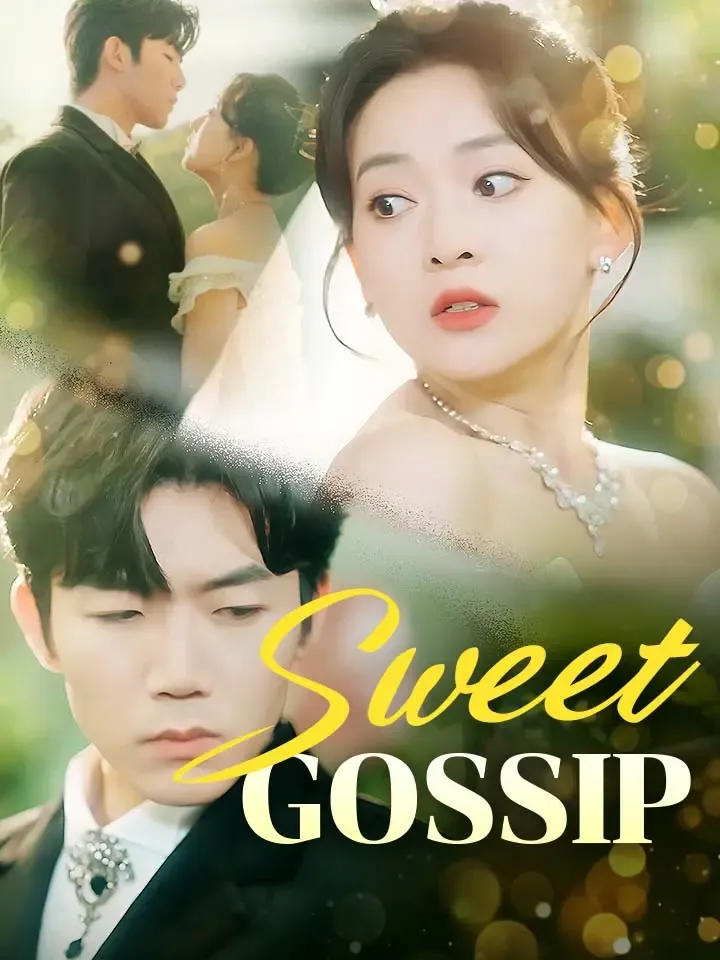
"Sweet Gossip Chinese Drama is a short drama that cover Actor,CEO,Love After Marriage,Whirlwind Marriage,Unrequited Love,Betrayal,Sweetness. Watch S..."
Sweet Gossip
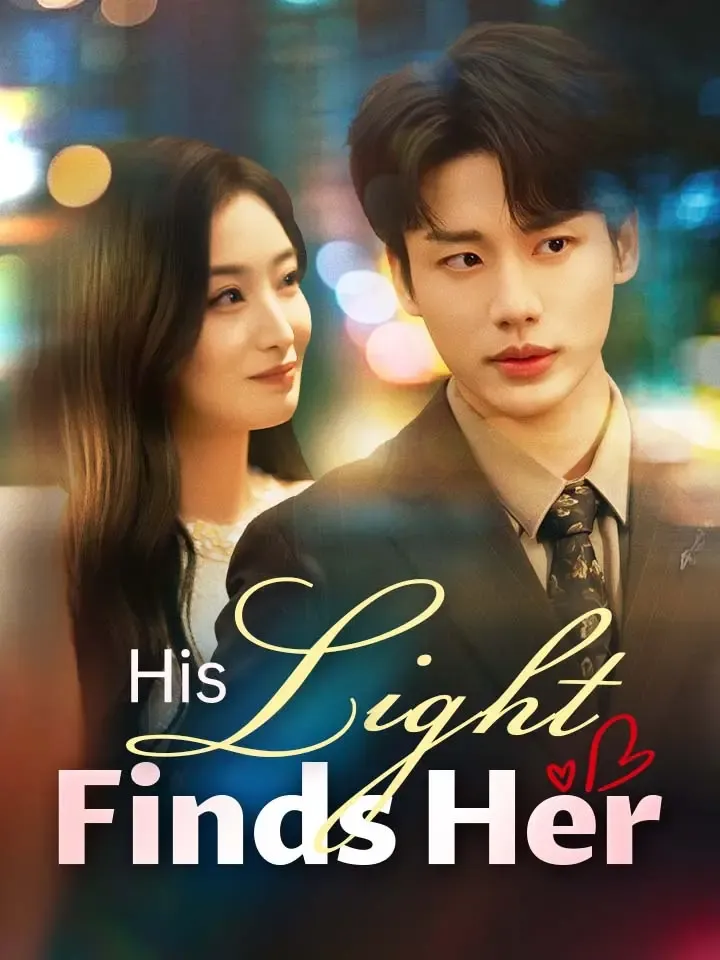
"His Light Finds Her Chinese Drama is a short drama that cover Lawyer,Actor,Childhood Sweethearts,Unrequited Love,Sweetness,Comeback,Modern Romance...."
His Light Finds Her
More from the Radar
Forbidden Alpha' Stars Sam Asante & Meredith Bull Caught in Romance Rumor Mill – But Is It Love, or Just a Payday Distraction?
Forbidden Alpha' Stars Sam Asante & Meredith Bull Caught in Romance Rumor Mill – But Is It Love, or Just a Payday Distraction?
Cast & Relationships