China Drops the Hammer: 'Unrealistic' Rich-Poor Romances Face Micro-Drama Ban

Get ready, short-drama stans, because the industry is buzzing with news that's going to ripple across your favorite vertical series. Chinese authorities are not just dabbling; they're dropping the hammer on micro-dramas, rolling out some seriously stricter content rules and new licensing hoops for producers. This isn't just bureaucratic red tape; it's a seismic shift poised to dramatically reshape the creative landscape and distribution channels for the short-form hits we binge on apps like ReelShort and DramaBox, especially in the format's biggest market.
Per a recent report in the Laotian Times, the crackdown is specifically targeting what regulators deem 'unrealistic' content. That means those classic, beloved tropes of rich-poor romances — where a down-on-their-luck protagonist magically snags a billionaire CEO or a hidden heiress flips the script — are now under intense scrutiny. Also on the chopping block? Storylines centered around marriage for wealth, a narrative device often used to propel our leads into high-stakes, dramatic situations. Let's be real, these storylines are the bread and butter of countless viral short dramas, driving millions of views and keeping us glued to our screens. Imagine *The Fated Alpha's Accidental Mate* without the rags-to-riches twist, or *Married to the CEO* without, well, the marriage to the CEO. It’s hard to picture, right?
But it’s not just about what’s *on screen*. The new regulations also mandate fresh licensing requirements for micro-drama producers. This isn't just a hurdle; it's potentially a full-blown barrier to entry, especially for smaller, independent creators who thrive on the low-budget, high-impact nature of vertical storytelling. More licenses mean more oversight, more potential for delays, and a significant challenge to the rapid-fire production cycle that defines this genre. It’s a move that could consolidate power among larger studios, making it tougher for fresh voices to break through.
The implications are huge. China isn't just a market; it's arguably the incubator and largest consumer base for the vertical drama phenomenon. By tightening the reins on creative freedom, authorities are directly impacting the very essence of what makes these short dramas so addictive: their often fantastical, wish-fulfillment narratives. Will producers pivot to more grounded, 'realistic' stories? Or will we see a boom in content designed to circumvent these new restrictions, perhaps through clever allegories or by pushing boundaries in international markets where censorship isn't as stringent? One thing's for sure: the drama behind the scenes is just getting started, and it’s going to be a fascinating watch.
Series in the directory
Matched via editorial tags on this article or inferred from the story (genres, platforms mentioned).
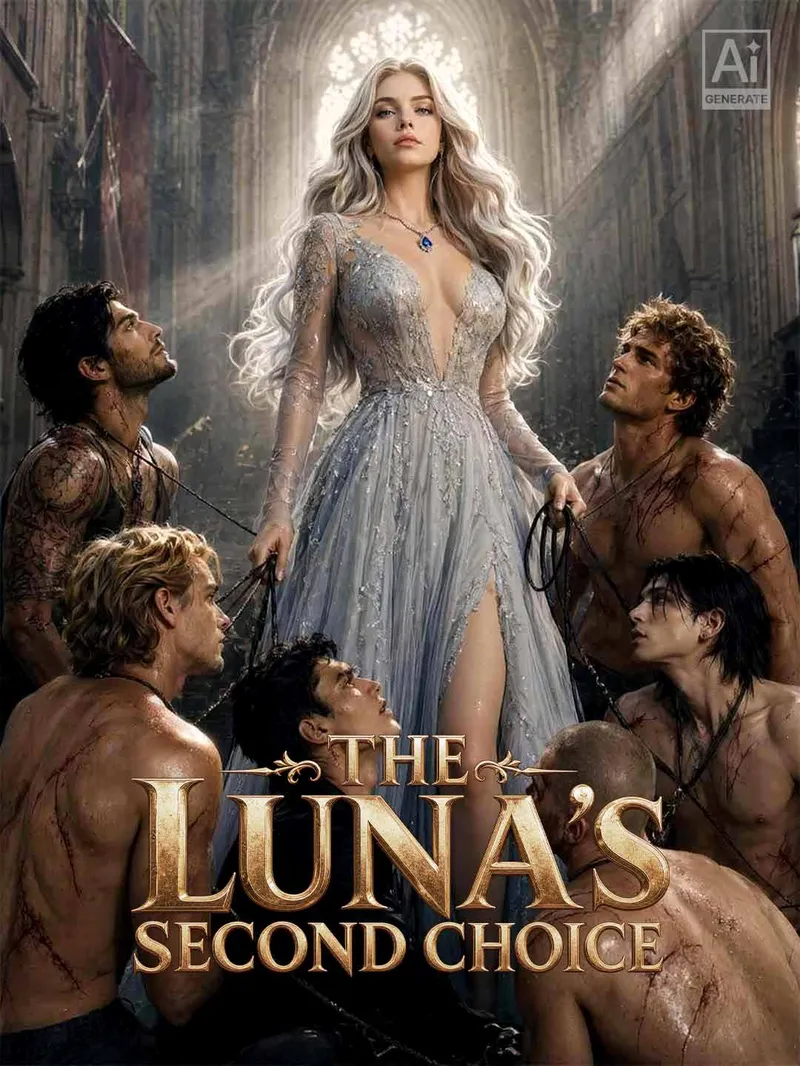
"Ten years ago, Elara was adopted by the Alpha of the Stormfang Pack and was destined to choose one of his five sons as her mate. However, the five ..."
The Luna's Second Choice

"Hannah, having a one-night stand with Daniel after her ex’s betrayal, is shocked to meet him the next day as her coworker."
The Heir's Office Scandal

"In Kissed by Claw and Fang movie, Ivy, a human teenage girl, suddenly finds herself homeless after her family goes bankrupt. She's forced to live i..."
Kissed by Claw and Fang

"Destined romance of a Korean-Japanese couple with premarital pregnancy after one-night stand"
Eternal Love after One-Night Stand?

"Chloe shares a night in Paris with a man, only to return home and discover that he is engaged to her stepsister."
I Slept With My Sister's Fiancé
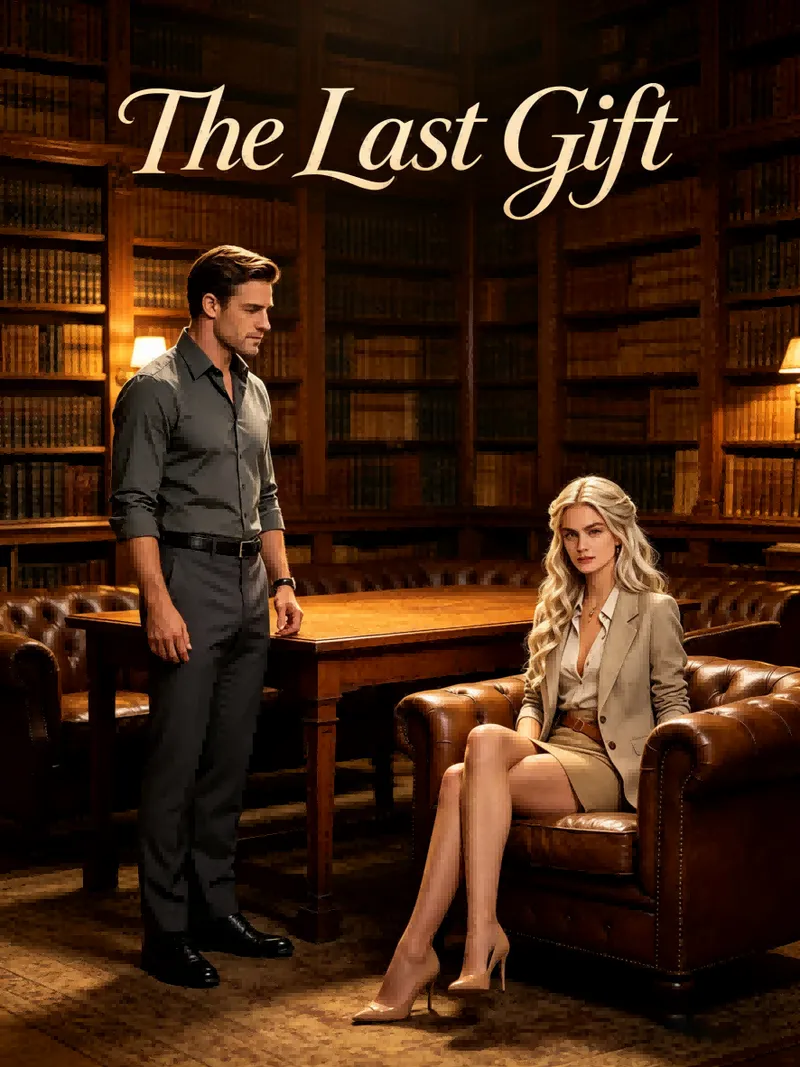
"I was slowly dying from Silverthorn Wolfsbane, and there was only one cure—the Miracle Elixir. But my mate, Leo Ashford, bought it and gave it to m..."
The Last Gift
More from the Radar
Forbidden Alpha' Stars Sam Asante & Meredith Bull Caught in Romance Rumor Mill – But Is It Love, or Just a Payday Distraction?
Forbidden Alpha' Stars Sam Asante & Meredith Bull Caught in Romance Rumor Mill – But Is It Love, or Just a Payday Distraction?
Cast & Relationships