Reel Trouble: China's AI Microdramas Face Copyright Crackdown Over Celebrity Clones
Reel Trouble: China's AI Microdramas Face Copyright Crackdown Over Celebrity Clones
The short-form drama universe, where hits like 'Fated to My Forbidden Alpha' and 'The Double Life of My Billionaire Husband' rake in millions on apps like ReelShort and DramaBox, is currently buzzing with more than just fan theories. The latest hot topic? The unsettling rise of AI-generated microdramas in China, and a legal whirlwind brewing over celebrity likeness that could reshape the entire vertical content game.
It's no secret that producers are always looking for the next big thing, and AI offers speed and scale. But this lightning-fast innovation, which churns out episodes at an unprecedented rate, is now facing a major roadblock: copyright infringement, especially when those AI 'actors' bear an uncanny resemblance to real-life stars.
The gravity of the situation became undeniably clear with a recent Beijing court ruling that's sending shockwaves through the industry. Per CNA, the court sided firmly with an actress whose image rights were violated by AI-generated content. This isn't just a minor skirmish; it's a direct hit on the use of celebrity likeness without consent, a practice that many feared was running rampant in the unregulated Wild West of AI content creation. Imagine scrolling through SnackShort or GoodShort, only to stumble upon an AI character that's a dead ringer for your favorite A-lister, performing in a drama they never signed on for. That’s precisely the nightmare scenario this ruling aims to address.
This landmark decision underscores an urgent need for clearer regulations in the rapidly evolving vertical drama landscape. While AI offers tantalizing possibilities for cost-cutting and accelerated production cycles—think more content, faster, for your daily dose on FlickReels or NetShort—it can't come at the expense of artists' rights. The ruling serves as a stark reminder that even in the frontier world of microdramas, real-world laws apply, especially concerning intellectual property and personal image rights.
Moving forward, producers banking on AI for their next viral hit might need to hit pause and rethink their strategies. The industry, from the biggest studios to indie creators on platforms like Vigloo and FlexTV, will undoubtedly be scrutinizing how to integrate AI responsibly. The challenge is immense: how do you harness the power of algorithms to create compelling content without inadvertently cloning a star and landing in court? One thing is certain: the era of AI-generated microdramas is here to stay, but its future will be built on a foundation of legal clarity and ethical boundaries.
Series in the directory
Matched via editorial tags on this article or inferred from the story (genres, platforms mentioned).
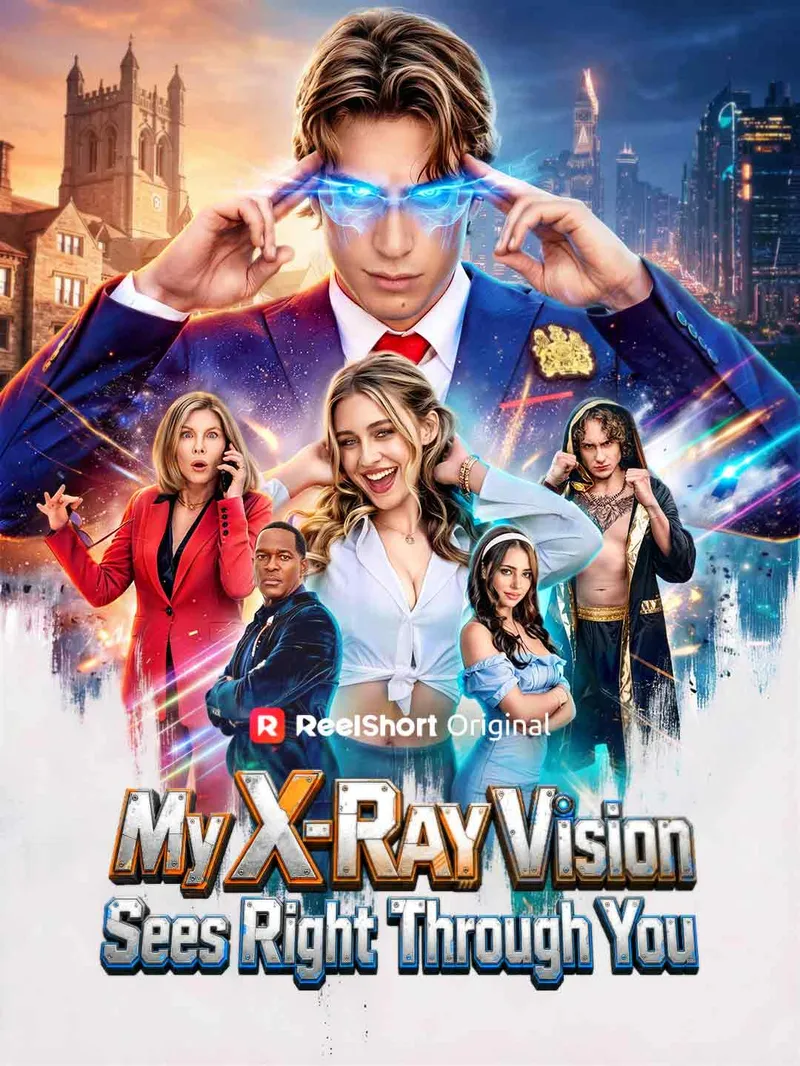
"After his girlfriend dumps him, Eric, a luxury brand CEO with X-ray vision, uses his powers and confidence to bring down arrogant global influencer..."
My X-Ray Vision Sees Right Through You
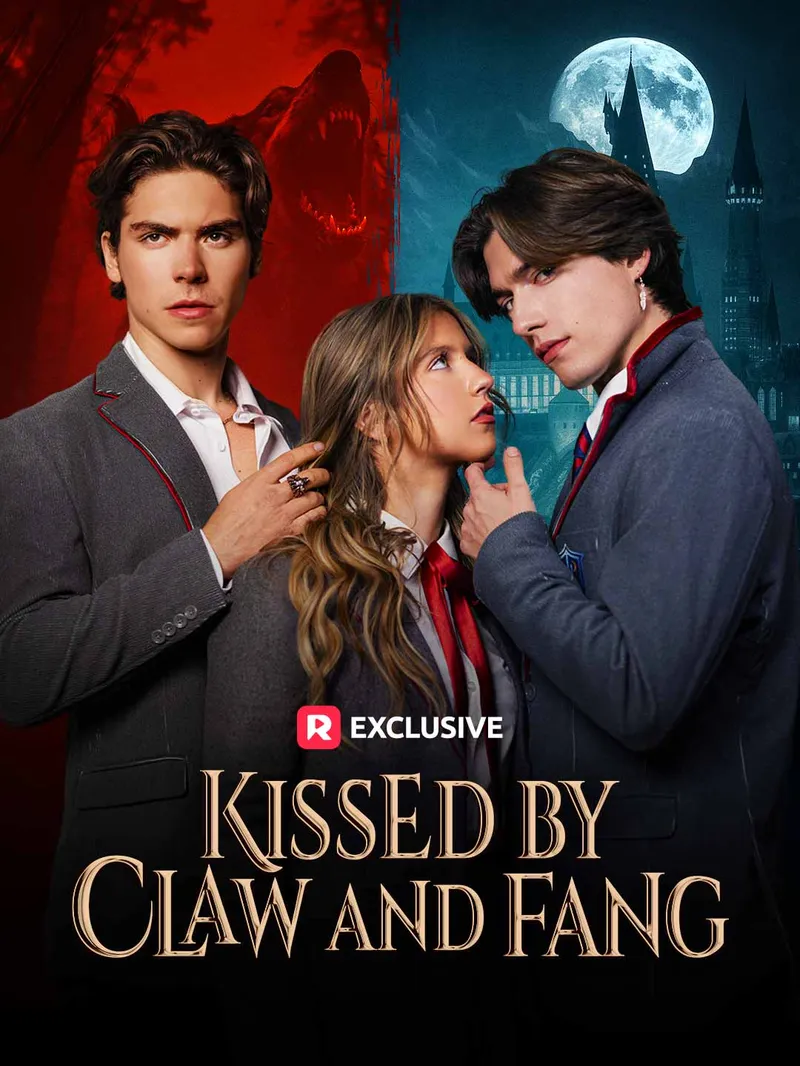
"In Kissed by Claw and Fang movie, Ivy, a human teenage girl, suddenly finds herself homeless after her family goes bankrupt. She's forced to live i..."
Kissed by Claw and Fang

"Vera and her husband Lucas once survived a life-or-death fire together. Yet years later, in their contractual marriage, Lucas—plagued by selective ..."
My Ex-Wife The Mafia Princess

"In The One I Never Forget movie, five years ago, a tragedy that claimed the lives of loved ones from both sides forced Sofia and Justin apart, a ..."
The One I Never Forget
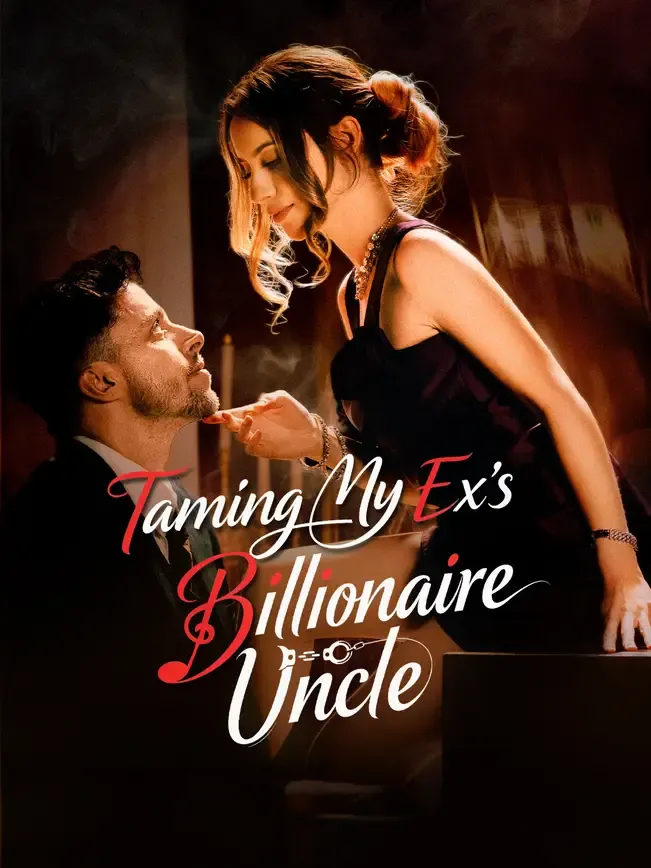
"Cora comes from an ordinary middle-class family. On a rainy night, she is first abandoned by her fiancé Finn, and then entrusted by her ailing fath..."
Taming My Ex's Billionaire Uncle
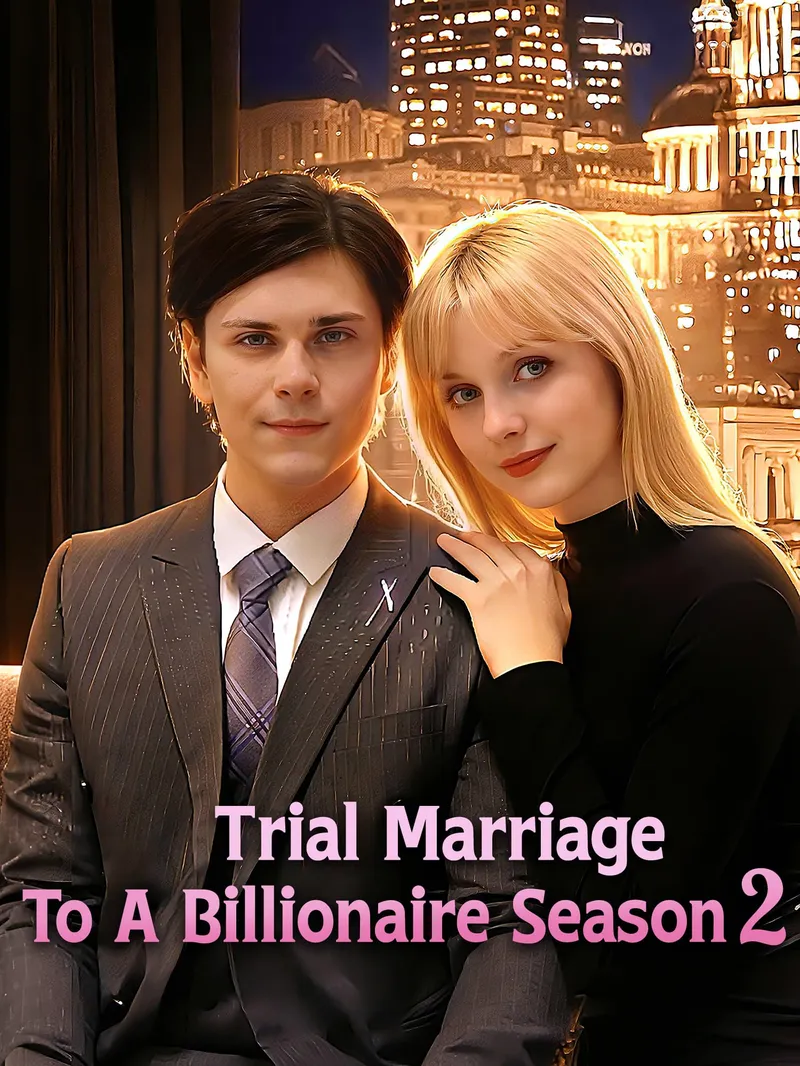
"In the gripping second season, the aftermath of Logan's scandalous affair with Grace continues to ripple through the lives of everyone involved. Lo..."
TRIAL MARRIAGE TO A BILLIONAIRE Season 2
More from the Radar
Forbidden Alpha' Stars Sam Asante & Meredith Bull Caught in Romance Rumor Mill – But Is It Love, or Just a Payday Distraction?
Forbidden Alpha' Stars Sam Asante & Meredith Bull Caught in Romance Rumor Mill – But Is It Love, or Just a Payday Distraction?
Cast & Relationships