Clone Wars Over? China's NRTA Drops the Hammer on Short-Drama IP Theft

The wild, wild west of vertical dramas just got a whole lot tamer. In a move that’s got every producer and platform from ReelShort to FlexTV watching nervously, China’s National Radio and Television Administration (NRTA) has rolled out a strict new 'script whitelist' aimed squarely at the rampant IP piracy and "copy-paste" productions plaguing the short-form drama industry. This isn't just a slap on the wrist; per Caixin, it's a game-changer that could redefine what makes it to your phone screen.
For months, the short-drama ecosystem has been awash with nearly identical scripts. A hit like 'The CEO’s Contract Wife' might barely make a splash before a dozen thinly veiled imitations, often with slightly tweaked titles and recycled plot points, popped up on competing apps. It was a gold rush where originality often took a backseat to speed and replication. Now, the NRTA is shutting that pipeline down. The new regulation mandates a compulsory registry where platforms *must* prove legal ownership of a series' intellectual property (IP) *before* it can be promoted on social media channels. Miss that step, and your series is dead in the water before it even begins to trend.
This regulatory hammer, revealed about 36 days ago, directly addresses the growing scandal of IP infringement that has tarnished the otherwise booming micro-drama market. The "cloning" phenomenon hasn't just been an ethical headache; it's led to a glut of low-quality content, diluted viewer trust, and made it incredibly difficult for genuinely innovative creators to stand out. Imagine pouring your heart into a script, only to see a shoddy replica rocket past you because a competitor cut corners. This whitelist aims to level the playing field, forcing production houses and platforms to invest in original content or legitimately acquire rights, rather than just endlessly recycling proven formulas.
What does this mean for the future of your favorite vertical drama apps? Expect a shake-up. While the immediate focus might be on proving existing IP, the long-term impact will likely push for a higher standard of original content development. This could lead to better-funded productions, more diverse storylines, and ultimately, a more sustainable and creatively vibrant industry. For the creators who have been fighting for recognition amidst the noise, this could be a lifeline. For the viewers, it promises an eventual return to quality over sheer quantity. The era of the short-drama clone army, it seems, is officially on notice.
Series in the directory
Matched via editorial tags on this article or inferred from the story (genres, platforms mentioned).

"A ruthless billionaire who fears nothing—except losing control. Then he meets the one woman who calms him without even trying. A rushed marriage tu..."
Pampering My Pregnant Bride
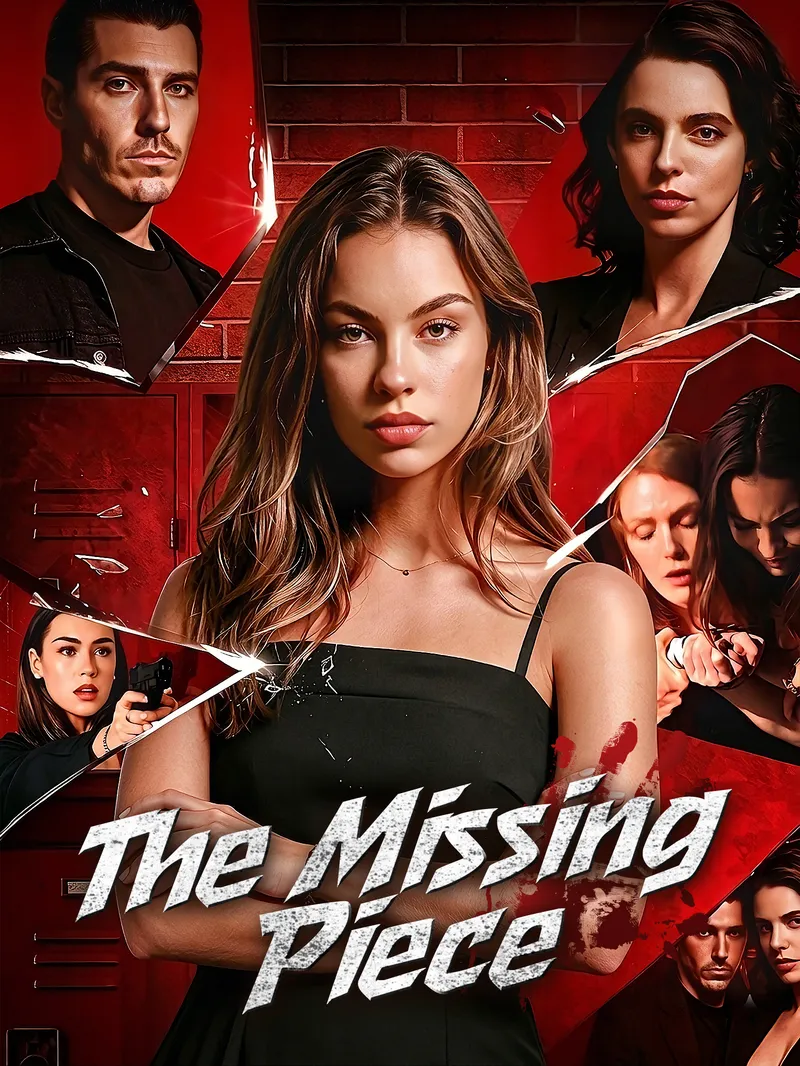
"The Missing Piece follows the story of Angela Willick, a young woman who kills a well-known businessman in an accident. When she sees the video of ..."
The Missing Piece
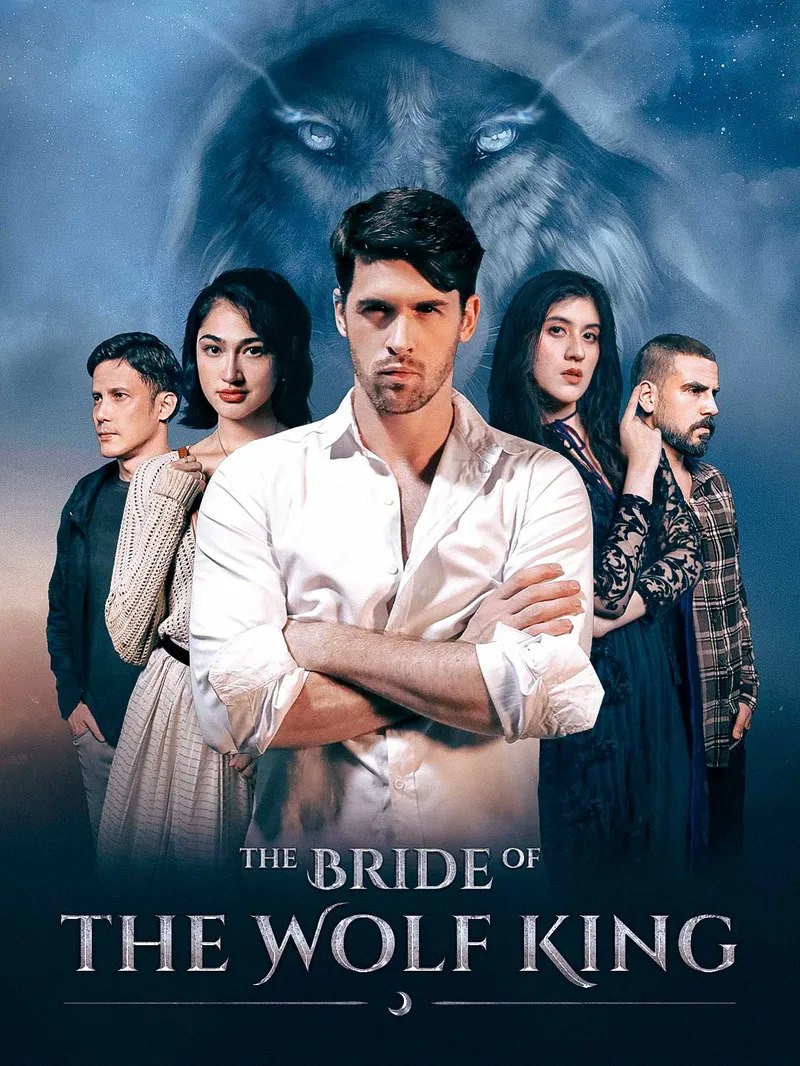
"Hundreds of years ago, a contest of power and desire caused the Wolf King to lose the woman he loved the most. The Wolf King was in tremendous inco..."
The Bride of the Wolf King
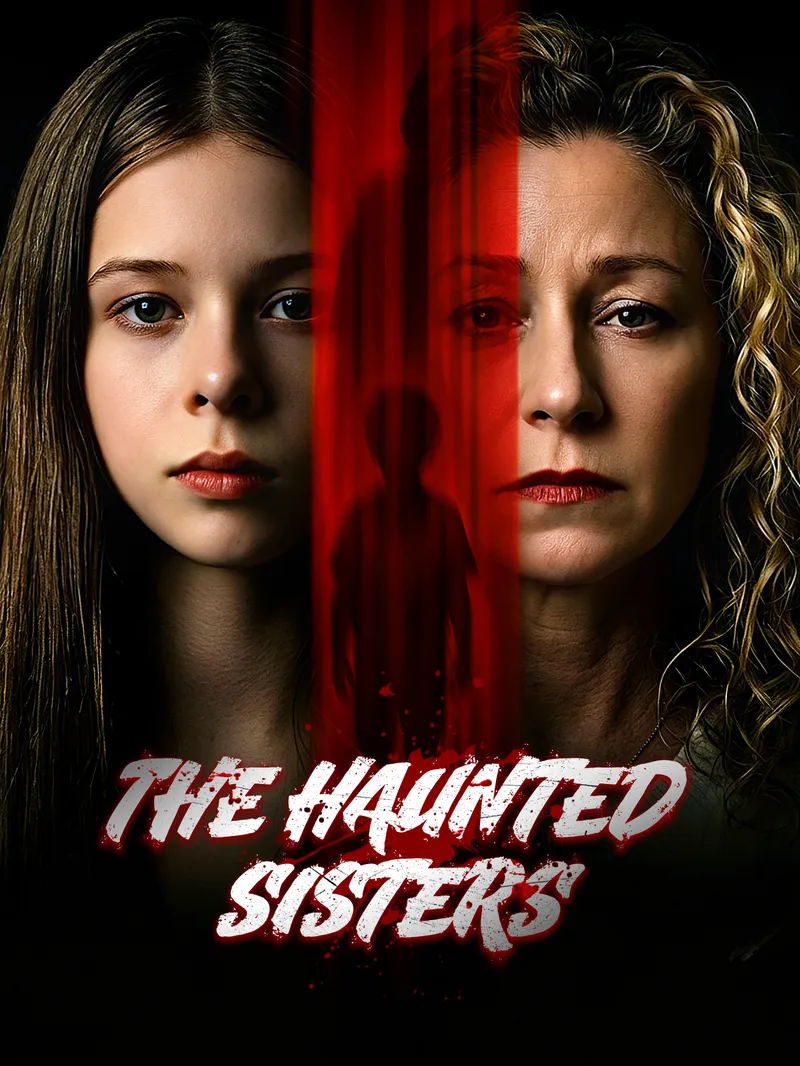
"This story unfolds in a setting of the late 20th century in the city of Belfast the Raphael’s moves to a new house in the Sub-urban area of the cit..."
The Haunted Sisters
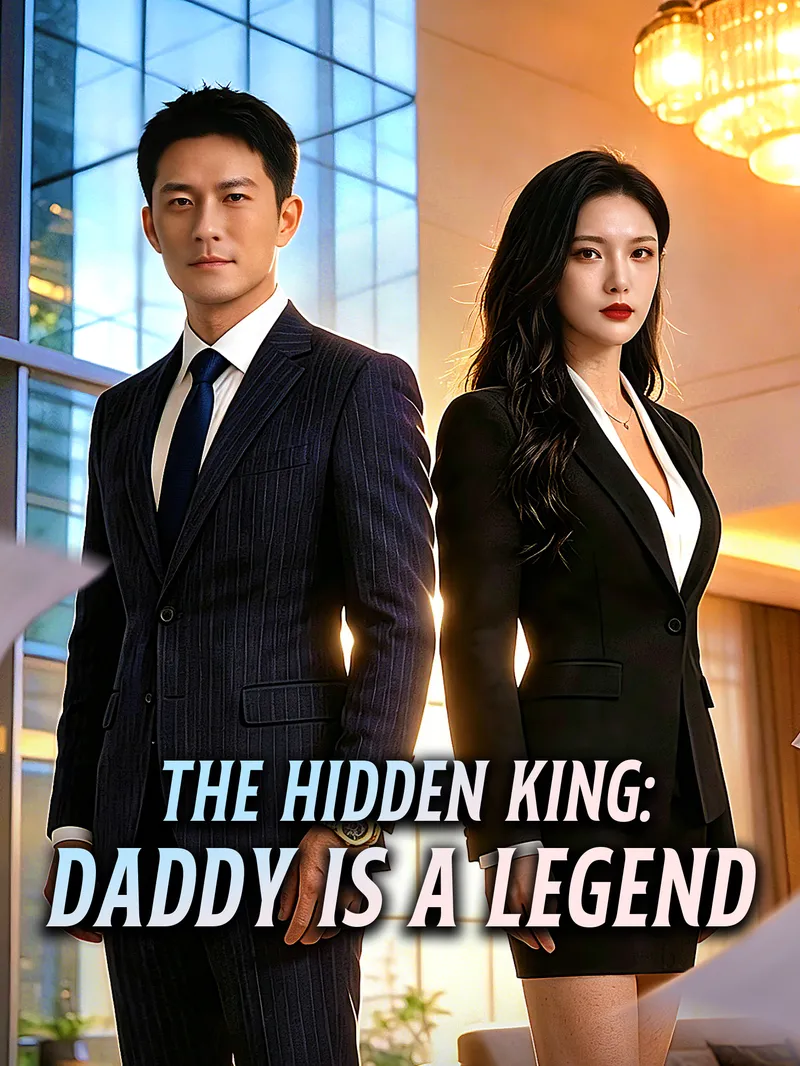
"By day, he’s just a cab driver with a butcher’s knife. In reality, he’s the hidden heir to a fortune and the ruler of a power no one dares challeng..."
The Hidden King: Daddy Is a Legend

"Philippe Bastien is the heir to one of the wealthiest conglomerates owned by Émile Bastien in Paris. He is used to having the world at his feet and..."
The Marriage Contract
More from the Radar
ReelShort 'Reborn as the Villain's Cat' Halted: Lead Hospitalized, Industry's Brutal Pace Under Fire
ReelShort 'Reborn as the Villain's Cat' Halted: Lead Hospitalized, Industry's Brutal Pace Under Fire
Behind the Scenes